SSM
Archives
Yirminci ve yirmi birinci yüzyıllarda 3.600'den fazla sanatçı tarafından oluşturulan 25.000'den fazla eserden oluşan SSM koleksiyonunu keşfedin.
Generously donated to the SSM by Abidin Dino's wife, Güzin Dino, in 2006, the Abidin Dino Archive stands as a repository of the artist's life and creative output, offering invaluable insights into his artistic journey and the socio-political landscape of his era. Born in 1913, Abidin Dino was a multi-disciplinary artist and cultural luminary. Bearing witness to the tumultuous 20th century, including the upheavals of World War II, he channeled his myriad experiences into words, lines, colors, and forms, leaving a lasting legacy in disciplines such as painting, literature, illustration, caricature, ceramics, sculpture, and cinema. Comprising a diverse array of materials, including correspondence, photographs, article drafts, and meticulously preserved newspaper clippings, the Abidin Dino Archive invites visitors to delve into the intricate tapestry of influences that shaped Dino's work and the vibrant cultural ambiance of his time. The research and translation process for the full archive is ongoing. At this stage, selected photographs are available for access. This rich collection, promising new discoveries upon completion, is accessible via digitalSSM. For details regarding the transcription and translation of the archive’s contents for research, educational, or publication purposes, please contact the museum at digitalssm@sabanciuniv.edu.
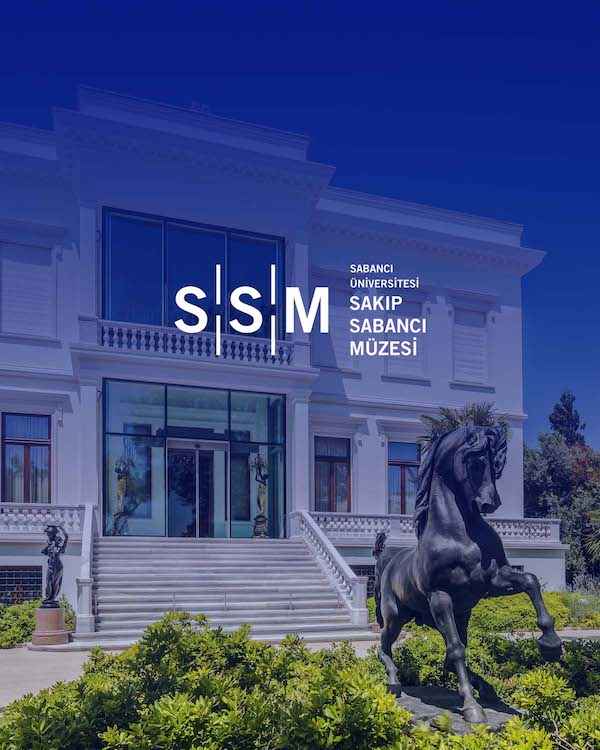
Emirgan, known as “Feridun Paşa Garden,” “Emirgûne Garden” and “Mirgün” during the Ottoman period, located between Boyacıköy and İstinye. Sultan Abdülhamid I (r. 1774-1789) built the Hamid-i Evvel Mosque with its fountain for his prince Mehmed who died at an early age, and his mother Hümâşah Hatun. Emirgan was established as a Bosphorus village. The neighborhood developed with the construction of seashore palaces over time, and gained a rich architectural and social identity. The Emirgan Archive, which began to be created on the tenth anniversary of the museum, brings together photographs and written documents from Emirgan and its surroundings from the end of the nineteenth century. The mosque, fountain and some historical buildings have survived, but many seashore mansions are no longer exist are in the photographs and postcards. Various documents such as birth and baptism certificates and flyers shed light on Emirgan's past and cultural diversity.
One of the most innovative artists of the 1914 Generation, Hüseyin Avni Lifij (1886–1927), holds a prominent place in art history not only as a painter but also as an educator, art critic, and photographer. Archival materials, meticulously preserved by his wife, Harika Lifij, and later by his niece, Şazi Sirel, were generously donated to the Sakıp Sabancı Museum by the Sirel Family in December 2023. The archive offers valuable insights into the lives of Hüseyin Avni Lifij and his wife, Harika Sirel Lifij, their artistic and intellectual endeavours, and the cultural atmosphere of their time. It comprises notebooks, photographs, postcards, diaries, and other documents, alongside various drawings by the artist. His masterful sketches underscore his focus on the human figure, while his architectural studies reflect his interest in urbanism, art history, and related fields, which he also explored in his writings. The research and translation process for the full archive is ongoing. At this stage, selected documents are available for access. This rich collection, promising new discoveries upon completion, is accessible via digitalSSM.